
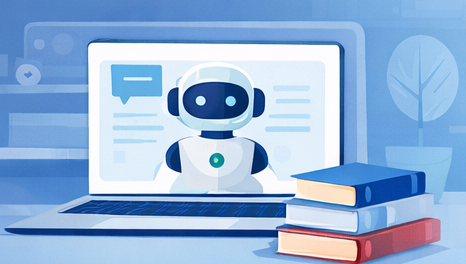
What Is Conversational Learning?
For centuries, learning has often been associated with reading, memorizing, and listening to lectures. While these methods can be effective, they often place the learner in a passive role. Conversational learning takes a different approach: it transforms learning into an active dialogue.
Instead of simply absorbing information, learners engage with ideas through questions, explanations, and reflection.
Learning Through Dialogue
The concept of learning through conversation is not new. In fact, it can be traced back to the philosophical dialogues of ancient Greece. Socrates, one of the most influential thinkers in Western philosophy, taught his students by asking questions rather than delivering lectures.
This method, often referred to as the Socratic method, encourages learners to think critically and develop their understanding step by step.
Through dialogue, learners do not just receive information—they actively participate in building knowledge.
Why Conversation Helps Us Learn
Conversation improves learning in several important ways.
First, it encourages active thinking. When learners respond to questions or explain ideas in their own words, they process information more deeply.
Second, dialogue helps identify misunderstandings. A tutor or learning partner can immediately clarify confusing points.
Third, conversation allows learning to become adaptive. The discussion can adjust to the learner’s pace, interests, and level of knowledge.
Because of these factors, conversational learning often leads to deeper understanding compared to passive reading alone.
Conversational Learning in the Digital Age
In traditional education, conversational learning usually requires a teacher, tutor, or study group. However, advances in artificial intelligence are making dialogue-based learning more accessible.
AI systems can now simulate structured conversations that help learners explore ideas, ask questions, and test their understanding.
Instead of reading a book in isolation, learners can engage with concepts interactively, exploring them through guided dialogue.
From Books to Conversations
Books remain one of the richest sources of knowledge ever created. Many of the world’s most influential ideas are preserved in books across fields such as economics, philosophy, psychology, and science.
However, complex books can sometimes be difficult to navigate alone.
Conversational learning makes it possible to explore these works in a more interactive way. By discussing ideas, comparing perspectives, and asking questions, learners can gradually build a deeper understanding of complex material.
The Future of Learning
As technology continues to evolve, learning is becoming more interactive and personalized. Conversational systems are beginning to play a role in helping learners engage with knowledge in new ways.
Rather than replacing books, conversational learning can complement them—turning reading into a dialogue with ideas.
At Learnify, we explore this approach by transforming influential books into interactive AI tutors designed to guide learners through structured conversations.
If you would like to experience conversational learning in practice, you can explore our Learning Packs or request a custom AI tutor built from the books of your choice. Explore Learning Packs Request a Custom Tutor
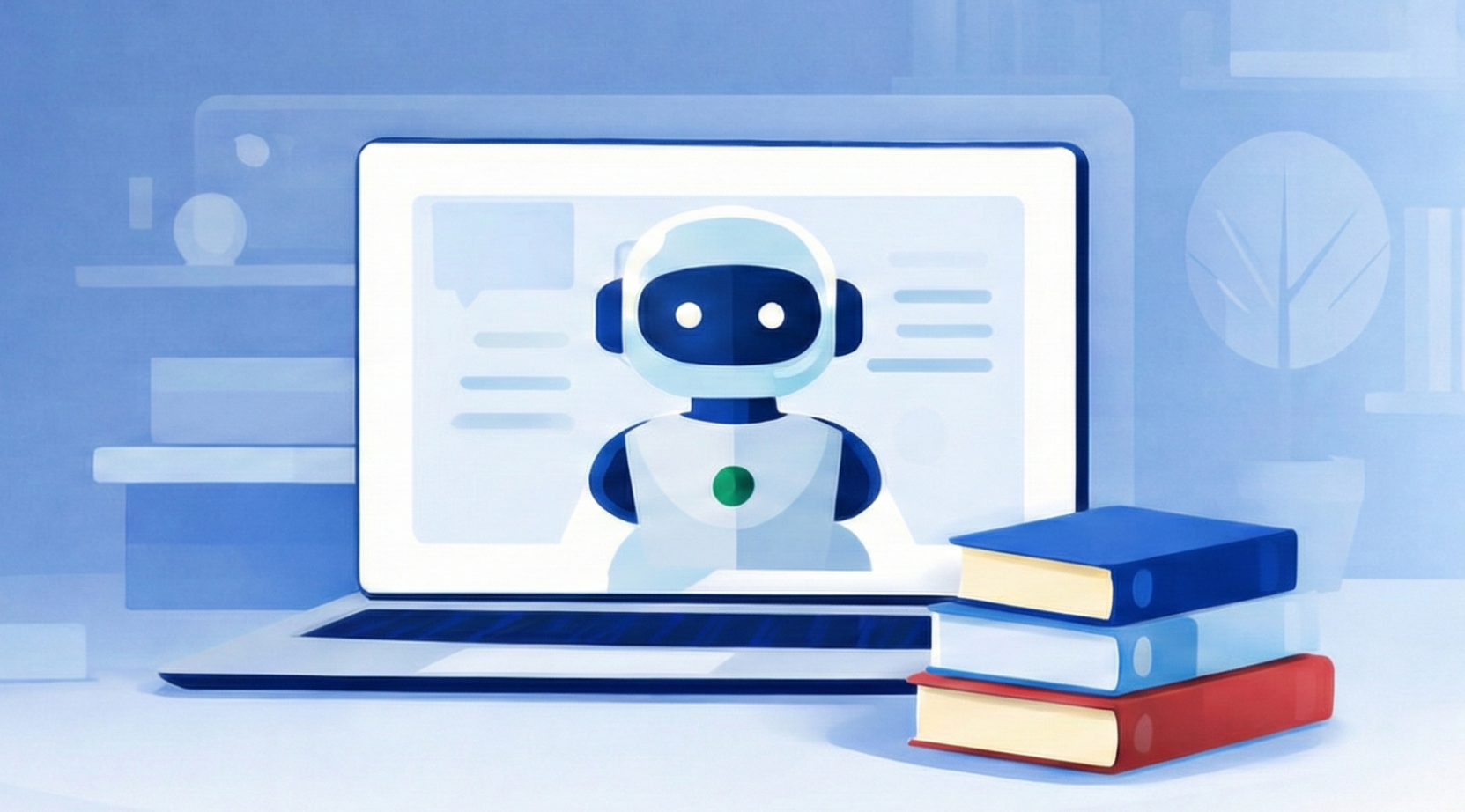
What Is Conversational Learning?
For centuries, learning has often been associated with reading, memorizing, and listening to lectures. While these methods can be effective, they often place the learner in a passive role. Conversational learning takes a different approach: it transforms learning into an active dialogue.
Instead of simply absorbing information, learners engage with ideas through questions, explanations, and reflection.
Learning Through Dialogue
The concept of learning through conversation is not new. In fact, it can be traced back to the philosophical dialogues of ancient Greece. Socrates, one of the most influential thinkers in Western philosophy, taught his students by asking questions rather than delivering lectures.
This method, often referred to as the Socratic method, encourages learners to think critically and develop their understanding step by step.
Through dialogue, learners do not just receive information—they actively participate in building knowledge.
Why Conversation Helps Us Learn
Conversation improves learning in several important ways.
First, it encourages active thinking. When learners respond to questions or explain ideas in their own words, they process information more deeply.
Second, dialogue helps identify misunderstandings. A tutor or learning partner can immediately clarify confusing points.
Third, conversation allows learning to become adaptive. The discussion can adjust to the learner’s pace, interests, and level of knowledge.
Because of these factors, conversational learning often leads to deeper understanding compared to passive reading alone.
Conversational Learning in the Digital Age
In traditional education, conversational learning usually requires a teacher, tutor, or study group. However, advances in artificial intelligence are making dialogue-based learning more accessible.
AI systems can now simulate structured conversations that help learners explore ideas, ask questions, and test their understanding.
Instead of reading a book in isolation, learners can engage with concepts interactively, exploring them through guided dialogue.
From Books to Conversations
Books remain one of the richest sources of knowledge ever created. Many of the world’s most influential ideas are preserved in books across fields such as economics, philosophy, psychology, and science.
However, complex books can sometimes be difficult to navigate alone.
Conversational learning makes it possible to explore these works in a more interactive way. By discussing ideas, comparing perspectives, and asking questions, learners can gradually build a deeper understanding of complex material.
The Future of Learning
As technology continues to evolve, learning is becoming more interactive and personalized. Conversational systems are beginning to play a role in helping learners engage with knowledge in new ways.
Rather than replacing books, conversational learning can complement them—turning reading into a dialogue with ideas.
At Learnify, we explore this approach by transforming influential books into interactive AI tutors designed to guide learners through structured conversations.
If you would like to experience conversational learning in practice, you can explore our Learning Packs or request a custom AI tutor built from the books of your choice. Explore Learning Packs Request a Custom Tutor